Events
Special Event: Band of the Golden West
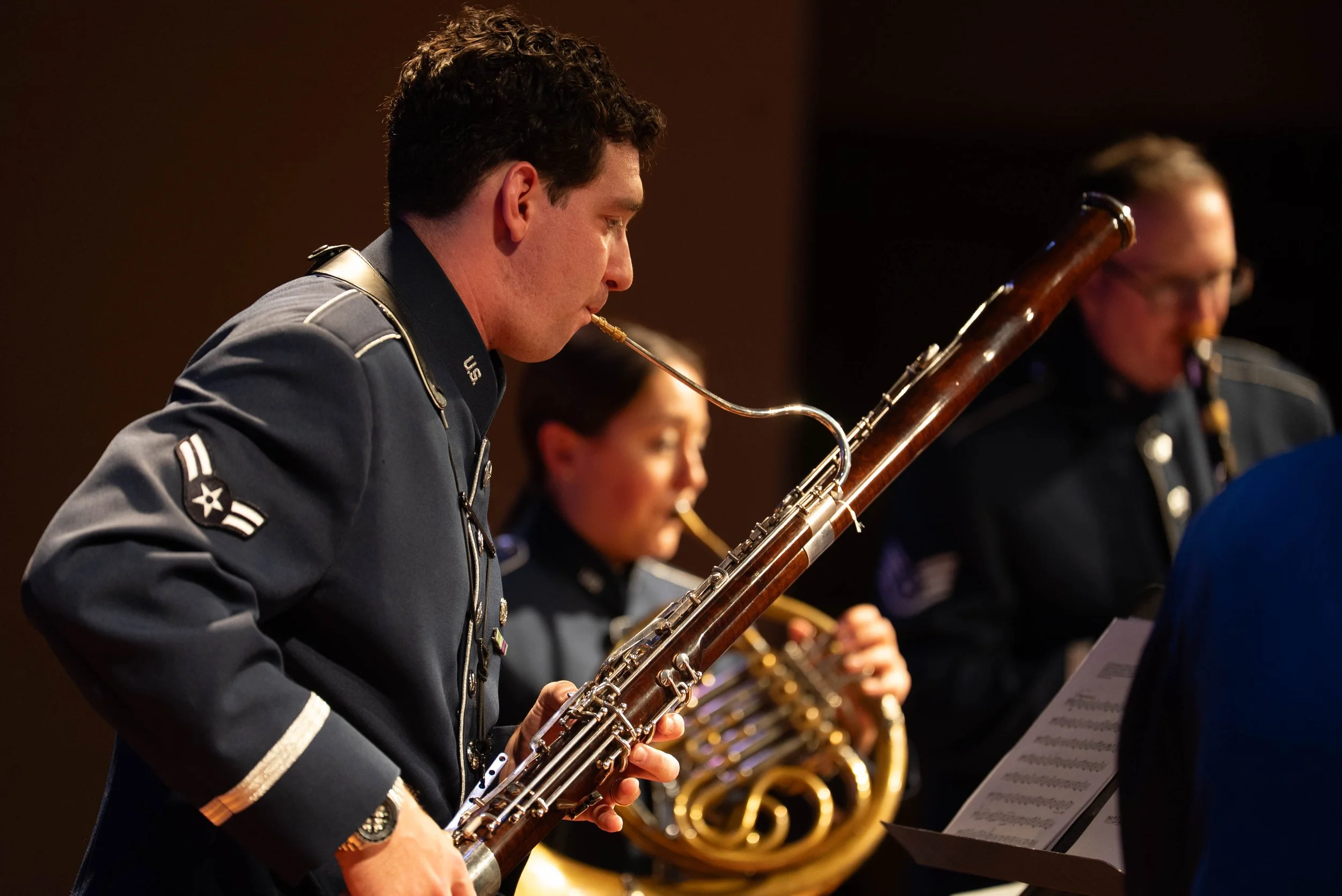
WWCMF and the Gesa Power House Theatre are proud to present the woodwind quintet of the United States Air Force Band of the Golden West, known familiarly as the Golden West Winds. The mission of The Golden West Winds is to harness musical excellence to HONOR our nation and those who have served, INSPIRE patriotism and resilience in our Airmen, Guardians, and nations’ citizens, and CONNECT the Air Force with the American public and community partners.
The excellence demonstrated by the Golden West Winds reflects the excellence displayed by all Airmen stationed worldwide, whose selfless service and sacrifices ensure the freedoms enjoyed by citizens of the United States of America.
WWCMF Founder and Artistic Director, Timothy Christie, joins the Golden West Winds for a bonus musical selection. Tonight’s performance is presented free of admission, but attendees must reserve tickets in advance. This event will sell out quickly.
Artists: Technical Sergeant Candy Tasker, flute; Staff Sergeant Chester Howard, clarinet; Senior Airman Fernando Yanez, oboe; Airman First Class Grace Clarke, horn; Airman First Class Graydon Howard, bassoon; Timothy Christie, violin/viola
Please note: Zeffy may suggest an optional contribution to support its platform. This contribution goes to Zeffy, not WWCMF. To decline it, select Other and enter $0.
Portrait of an Artist: Sarah Rommel, cello
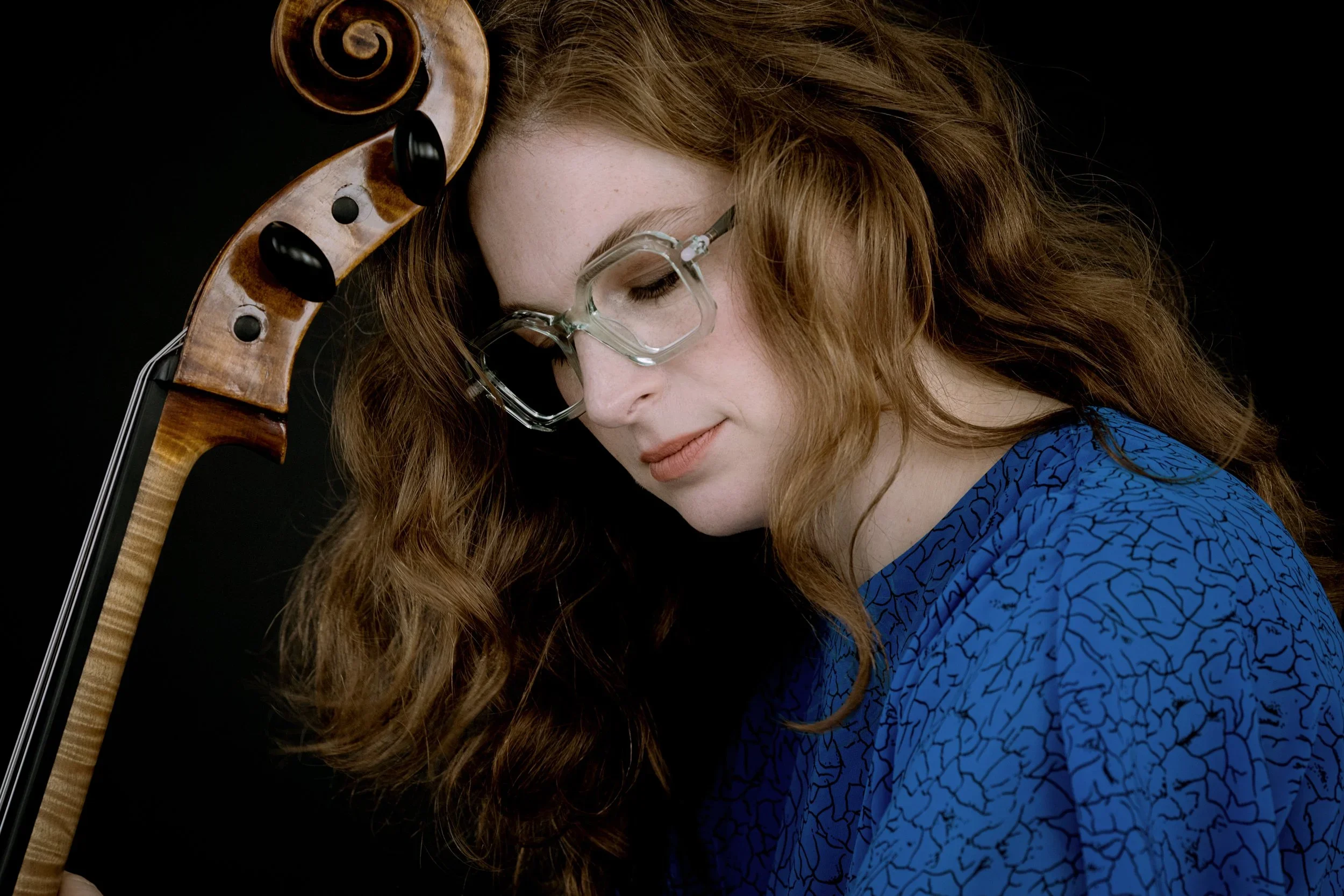
We welcome cellist Sarah Rommel for her WWCMF debut. Through chamber music collaborations, Sarah has performed on stages such as Carnegie Hall, Disney Hall in Los Angeles, the Kennedy Center, the Freer Gallery in Washington, D.C., and the Isabella Stewart Gardner Museum in Boston.
International chamber music collaborations have found Sarah touring New Zealand with Chamber Music New Zealand and as an organizer and performer for the SOTA Resonance Festival in Hyderabad, India. Sarah has been invited to perform at festivals such as the Kingston Chamber Music Festival, Santa Cruz Chamber Players, Chamber Music Palisades, Chamber Music Sedona, as well as Caramoor’s Evnin Rising Stars Series, Yellow Barn, Ravinia’s Steans Music Institute, and Marlboro Music Festival. Memorable collaborations include working with composers John Adams, Sofia Gubaidulina, Jennifer Higdon, Steve Mackey, and Kaija Saariaho, pianists Jonathan Biss and Gil Kalish, violinists Lucy Chapman, Pamela Frank, Joseph Lin, and Don Weilerstein, and violists Kim Kashkashian, and Nobuko Imai.
Pedigree to spare! But what makes Sarah special is her infectious curiosity and quest for connection. You will be charmed in as few as two bow changes. Sarah is joined by Conor Hanick for a performance of works by Florence Price, Igor Stravinsky and Benjamin Britten.
Artists: Timothy Christie, moderator; Conor Hanick, piano; Sarah Rommel, cello
Please note: Zeffy may suggest an optional contribution to support its platform. This contribution goes to Zeffy, not WWCMF. To decline it, select Other and enter $0.
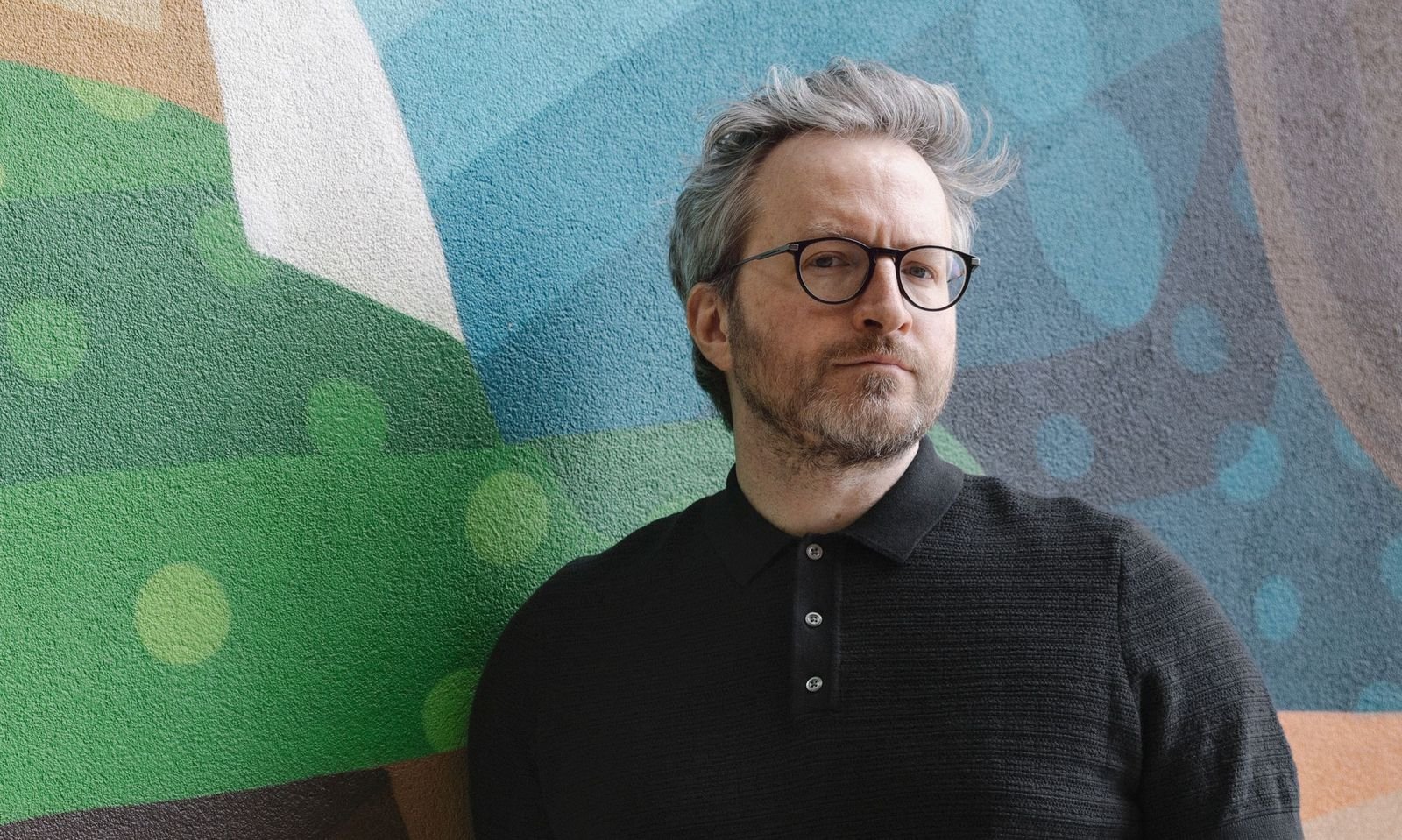
Special Event: The People United Will Never Be Defeated
Frederic Rzewski’s masterpiece, The People United Will Never Be Defeated, received its world premiere roughly 51 years ago at the John F. Kennedy Center for the Performing Arts, February 7, 1976. (Begging your indulgence, your author was “a bun in the oven” at the time, emerging just a few miles down the road and three months after the premiere.) Pianist Ursula Oppens, teacher of such Festival lifers as Winston Choi, commissioned the work as a companion to Beethoven’s monumental Diabelli Variations, Op. 120, which formed the first half of the KenCen program 51 years ago.
The music is unabashedly political. Rzewski makes use of not only the source material, a protest song by Sergio Ortega and the Chilean folk music group Quilapayún, but also music inspired by other resistance movements in Spain, Italy and Germany. Indeed, we cannot separate the text and context of the music from its impact. But from a purely musical context— what is sometimes termed “absolute music”— the piece is a tour de force requiring both a virtuoso pianist and a virtuoso audience. Clocking in at a lean hour, the piece winds its way through 36 variations, one variation for each measure of the original theme, which makes a final reappearance at the work’s conclusion.
To experience this music live is to experience change itself.
Artist: Conor Hanick, piano
Please note: Zeffy may suggest an optional contribution to support its platform. This contribution goes to Zeffy, not WWCMF. To decline it, select Other and enter $0.
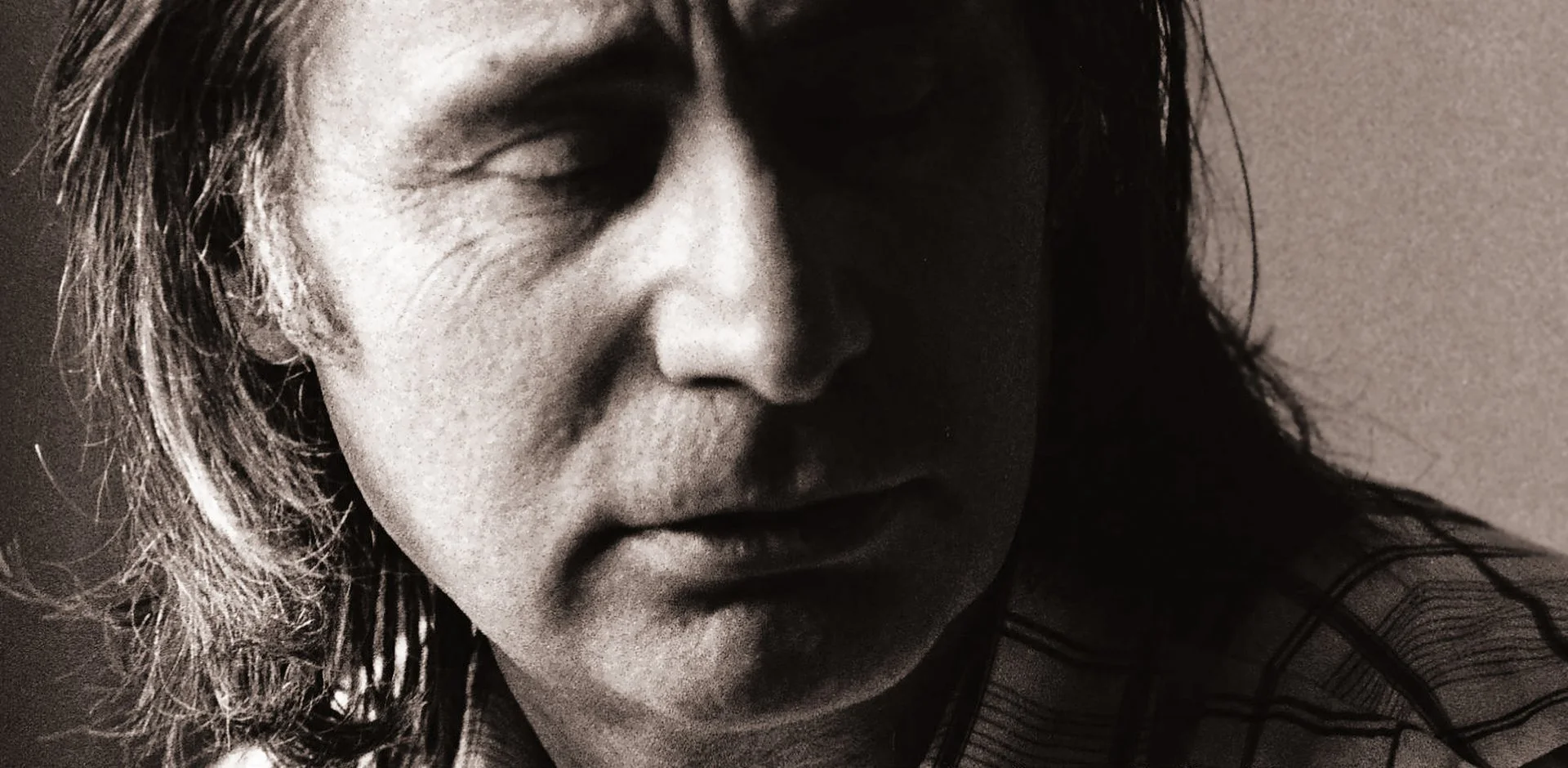
Tasting Music: Alfred Schnittke String Trio
Soviet composer Alfred Schnittke is hard to pin down. One moment reveling in impish Mozartean musical pranks, the next lingering nostalgically over a long-forgotten tune and in turn unleashing a torrent of gripping dissonance, Schnittke can turn on a dime. He was born into a Russo-German Jewish family, spent two formative years in Vienna following WWII, cut his teeth as a composer in the Soviet Union (enduring government sanctions like all the greats) and eventually converted to Catholicism, emigrating to Hamburg after the fall of the Soviet state. He was sickly most of his professional career, surviving multiple strokes and having been declared dead no fewer than three times.
The String Trio was commissioned in 1985 to honor the centenary of the birth of Alban Berg, composer of the greatest of all violin concertos (hands down!), most psychologically penetrating of all operas and Lyric of all Suites. The influence of Berg is greatly in evidence throughout the trio, notably in the through-lines of references to Schubert and Mahler, musical soul mates to both Schnittke and Berg. Schnittke may have lived and worked in the Soviet Union, but his musical light reflected Viennese radiance. In perhaps his most Viennese turn, Schnittke died shortly after completing his 9th Symphony.
Make no mistake, you are in for a work of great density and dissonance. And of course you are also in for a work of the sweetest melodic nostalgia. That’s Schnittke. And you will love the journey.
Alfred Schnittke (1934-1998)
String Trio (1985)
I. Moderato
II. Adagio
Artists: Timothy Christie, viola/moderator; Sarah Rommel, cello; Maria Sampen, violin
Please note: Zeffy may suggest an optional contribution to support its platform. This contribution goes to Zeffy, not WWCMF. To decline it, select Other and enter $0.
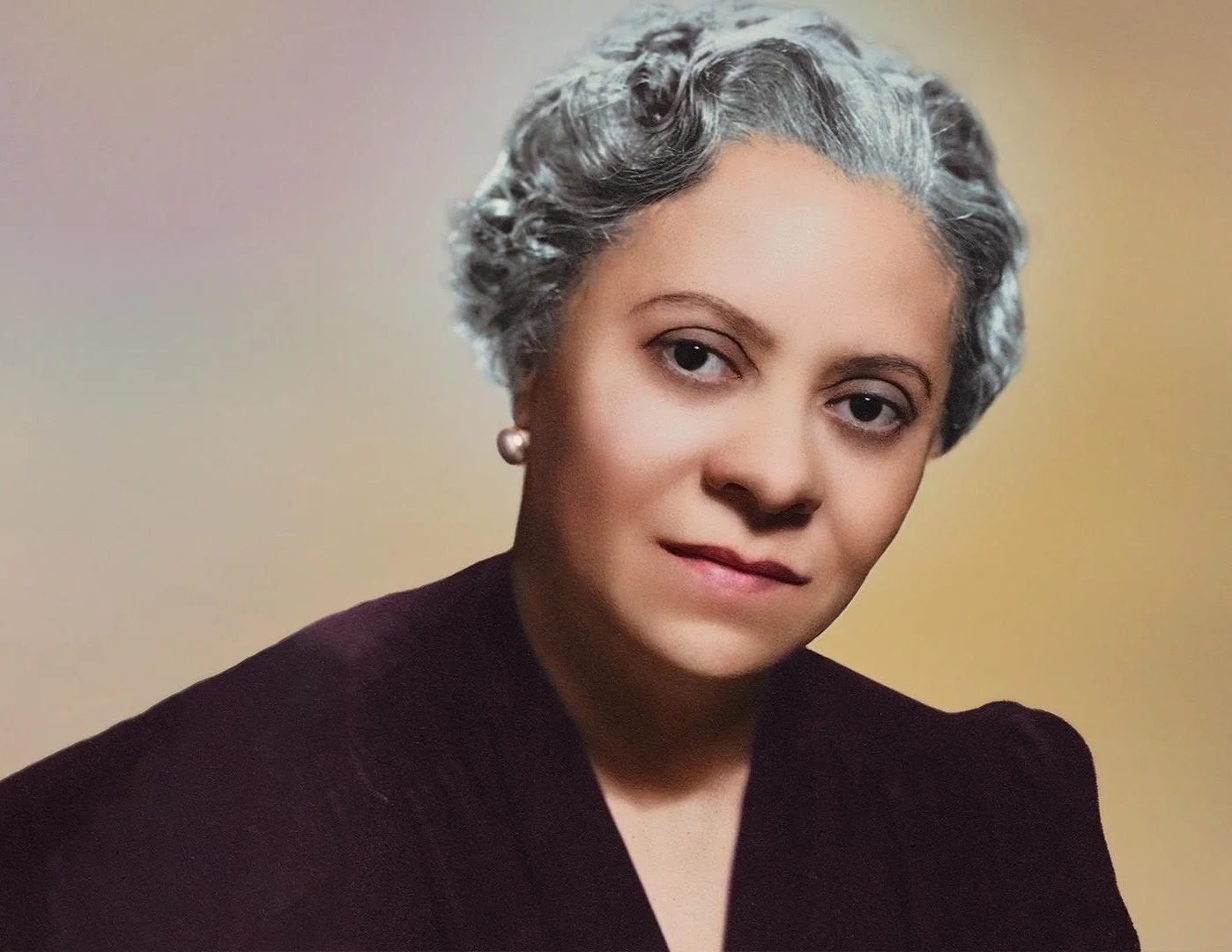
Festival Series: Music of Price, Schnittke and Fauré
Florence Price (1887-1953)
Fantasy No. 2 in F# Minor (1933)
For violin and piano
Alfred Schnittke (1934-1998)
String Trio (1985)
I. Moderato
II. Adagio
— Intermission —
Gabriel Fauré (1845-1924)
Piano Quartet in C minor, Op. 15 (1883)
I. Allegro molto moderato
II. Scherzo: Allegro vivo
III. Adagio
IV. Allegro molto
Artists: Timothy Christie, viola; Conor Hanick, piano; Sarah Rommel, cello; Maria Sampen, violin
Please note: Zeffy may suggest an optional contribution to support its platform. This contribution goes to Zeffy, not WWCMF. To decline it, select Other and enter $0.